Superfoods have become famous for a reason. They’re packed with vitamins, minerals, antioxidants, and other cool nutrients that work together to keep energy steady, help you recover faster, and give you the boost you sometimes wish you had on sluggish days. I’m breaking down the top ten superfoods that can turn your daily routine around and have you feeling like you could leap tall buildings, or at least finally get through that afternoon slump without needing a nap.
Why Superfoods Matter for Energy
Superfoods are not just another nutrition trend; they really can make a difference in how you feel throughout the day. Their magic isn’t about a quick buzz like a cup of strong coffee. Instead, they deliver slow-burning, steady energy, tone down inflammation, and supply your body with nutrients that help your cells do their job. These foods are a reliable way to support everything from clearer thinking to lasting stamina, especially when you eat them regularly.
Getting the most out of superfoods comes down to picking nutrientdense options and making them part of your habits. I’ve had days where I swapped out processed snacks for some of these foods, and I noticed I didn’t just have more energy; I felt a lot less sluggish, too. The trick is to add them in ways that fit with what you already like to eat, making things feel natural rather than like a chore. Science shows that consistent use of a variety of superfoods helps fill in nutritional gaps, supporting steady energy.
Meet the Top 10 Superfoods for Energy
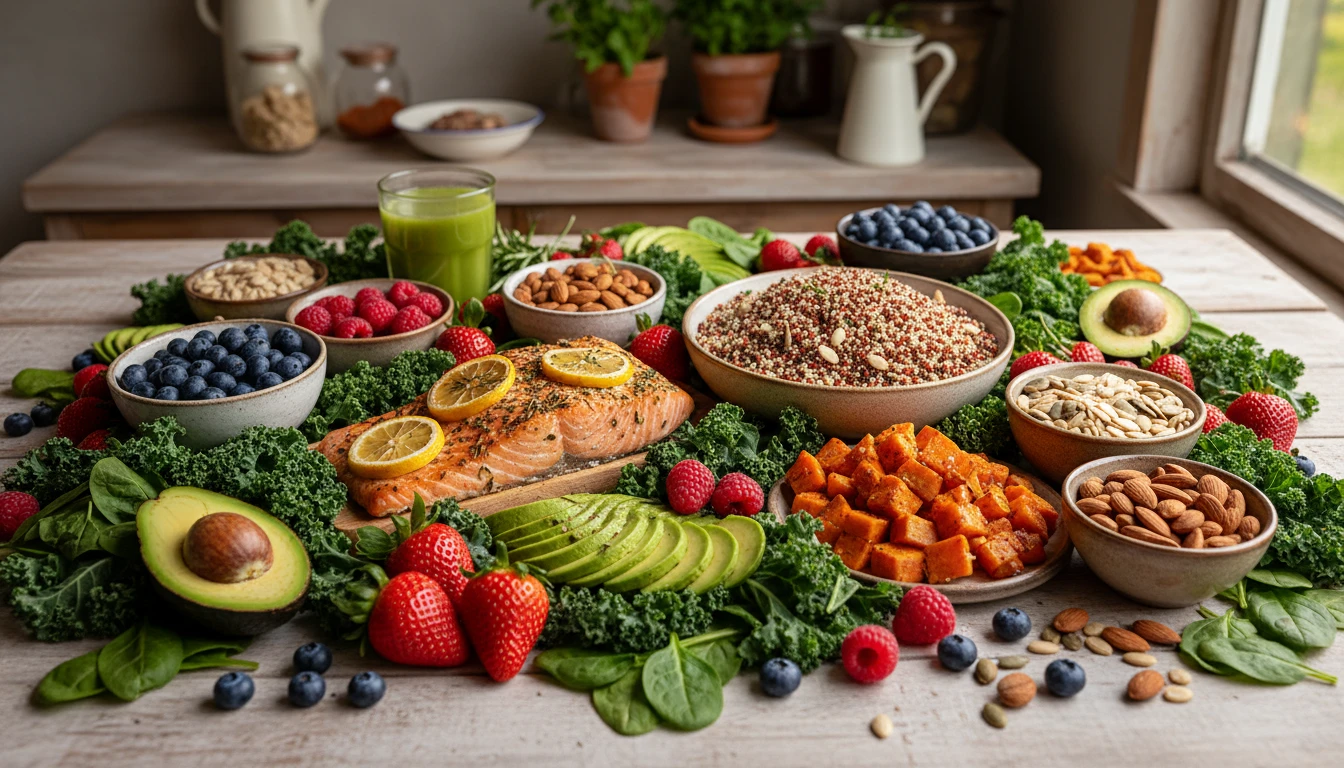
I’ve rounded up a lineup of superfoods that are handy, delicious, and full of good stuff for sustained energy. Each of these works in its own way, but together, they could have you powering through work, workouts, or whatever life throws your way. Eating a few of these regularly can rev up your motivation and help your body handle stress better, too.
- Blueberries
Blueberries may be small, but they’re famous for being loaded with antioxidants, especially vitamin C and anthocyanins. These help tone down inflammation and give a boost to brain function. I notice when I throw them into my morning yogurt or smoothies, I stay sharper and less fatigued through busy mornings. The natural sugars in blueberries give a gentle blood sugar boost, minus the crash.
- Spinach
A handful of spinach goes a long way. This leafy green is packed with iron, magnesium, and potassium. Low iron can make you feel wiped out, so adding spinach is an easy way to keep your levels topped up. Magnesium helps your muscles and nerves work properly, which means you’ll feel less drained during workouts. Spinach is an easy addition to omelets, salads, or even pasta sauces for a nutritional boost.
- Chia Seeds
Chia seeds are popular for a reason: just a few spoonfuls are loaded with fiber, protein, and healthy fats. They digest slowly, which helps keep your blood sugar even and energy stable. I like stirring them into overnight oats or using them to make a quick pudding with almond milk for a satisfying snack that helps me steer clear of those 3 p.m. crashes. The great thing about chiaseeds is their versatility—they thicken up smoothies, bowls, and even baked goods.
- Eggs
Eggs have a good mix of protein and healthy fats, plus B vitamins that are involved in turning food into energy. Having eggs for breakfast or lunch leaves me full and ready to handle whatever comes next without feeling hungry an hour later. They’re super flexible. Think boiled, poached, scrambled, or as part of a salad. Eggs also provide choline, important for brain function and keeping your mood level.
- Salmon
Salmon is loaded with omega3 fatty acids, B12, and protein. Omega3s help keep your brain in top shape and tone down inflammation, which can zap your energy. Salmon is also a good source of vitamin D, so you’re getting more than just a tasty meal; you’re supporting your immune system and fighting fatigue. When I add salmon to my meal plan a couple times a week, I definitely feel the difference. Bonus: smoked or canned salmon works well for quick meals.
- Sweet Potatoes
Sweet potatoes give a nice slow energy release, thanks to complex carbs paired with fiber. They also bring along vitamins A and C. Roasted sweetpotato chunks are a great side, and sometimes I mash them for a starchy boost with lunch or dinner. They keep me fueled a lot longer than regular bread or crackers. Sweetpotatoes also taste great in soups, curries, and even cold in salads.
- Quinoa
This ancient grain has a complete protein profile, which means it has all nine essential amino acids. Quinoa is glutenfree, easy to use in tons of recipes, and provides steady energy since it’s also loaded with iron, magnesium, and fiber. I like swapping quinoa into bowls or salads for a little more staying power. It cooks quickly and stores well for several days, making it a smart meal prep staple.
- Nuts (Especially Almonds and Walnuts)
Nuts make a great goto snack for energy because they have healthy fats, protein, and fiber that all help you feel satisfied. Almonds have vitamin E, and walnuts offer omega3s. Just a handful helps curb hunger and keeps your energy ticking along all afternoon. I keep a small jar on my desk so they’re always in easy reach, especially when I need a pickmeup and want to avoid sugary snacks. Pairing nuts with dried fruit can create a tasty, energizing trail mix.
- Greek Yogurt
Greek yogurt is high in protein and has probiotics for gut health, supporting a good immune system while also keeping you full. The combo of carbs and protein leaves you feeling energized and ready to power through the next task. I use plain Greek yogurt as a base, then top it with fruit or chiaseeds for extra flavor and nutritional punch. You can even use it as a creamy topping on sweetpotatoes or chili for extra protein.
- Avocado
Avocados offer healthy monounsaturated fats and potassium, which support everything from heart health to muscle function. They help slow down how quickly carbohydrates are digested, so you avoid energy crashes. Sliced avocado on toast or tossed into salads is one of my goto lunches for a mood and energy lift. Avocado also blends right into smoothies and dips, offering a creamy texture and extra nutrition.
Tips for Adding Superfoods to Everyday Life
You don’t need to overhaul your whole diet to get the benefits of superfoods. I’ve found it’s easiest to add one or two at a time and test out different recipes. Blueberries in oatmeal, chiaseeds in smoothies, or a slab of salmon for dinner might be all it takes to notice a big difference.
Mixing things up keeps it interesting, so you’re not stuck eating the same thing every day. Batch cooking works pretty well, too. For example, I make roasted sweetpotatoes and keep them in the fridge, or prep a batch of quinoa at the start of the week.
- Prep in Advance: Chopping veggies and washing berries saves time later.
- Swap Smart: Use Greek yogurt instead of sour cream or mayo. Try quinoa instead of white rice. These tiny changes help a lot over time.
- Start Small: Sprinkle nuts on your cereal or use spinach as a base for salads to get used to new flavors and textures.
Try creating new combos to avoid falling into a rut. For example, pair sweetpotato slices with avocado for a filling, energizing snack, or top your Greek yogurt with blueberries and walnuts. Let yourself experiment until you find a few favorite energy-boosting mixes. Remember, balance is key, so use a rainbow of superfoods through your week for the best results.
Watch Out for Potential Downsides
Even though superfoods are packed with benefits, a little goes a long way. Nuts and avocados have good fats but are caloriedense, so it’s smart to stick to small portions. Some people might be allergic to eggs, nuts, or dairy, so swapping in similar foods like sunflower seeds, coconut yogurt, or chickpeas can still give plenty of energy.
Go for variety and make sure most of your plate is balanced, colorful, and made of whole foods. That’s the real secret to energy that lasts. Over-relying on any one food might rob you of key nutrients found in others, so keep mixing it up.
Frequently Asked Questions
Question: Can superfoods really replace caffeine for energy?
Answer: Superfoods support more lasting and natural energy, which is different from the quick boost you get from caffeine. They help your body’s natural systems work better, but you probably won’t get an instant jolt like coffee. Over time, though, you’ll likely feel more balanced and less jittery.
Question: Is it better to eat superfoods raw or cooked?
Answer: It depends on the food! Some are better raw (like berries and spinach), while others (such as sweetpotatoes and quinoa) release their nutrients better when cooked. Mixing raw and cooked superfoods during the week is a great approach. Get creative and try both to see what works best for you.
Question: Can kids and older adults eat superfoods for energy?
Answer: Absolutely. Superfoods are just whole, nutrientrich foods, and people of any age can benefit. Just watch out for allergies and make sure foods are cut or prepared in a way that’s safe for everyone. Cooking and dicing foods finely for kids or older adults can help prevent choking and make meals more enjoyable.
Putting Superfoods to Work for You
Making superfoods part of your meals is a smart move for steady energy, better focus, and that all-around good feeling. They’re not miracle cures, but it’s amazing what can happen when you stock your kitchen with foods that actually support you. Little changes add up, and soon enough you’ll feel like you can take on anything the day brings. Try adding a couple of these nutrientdense picks today and notice how your body and mind step up.
I’d love to hear your opinions and thought’s so drop a comment.